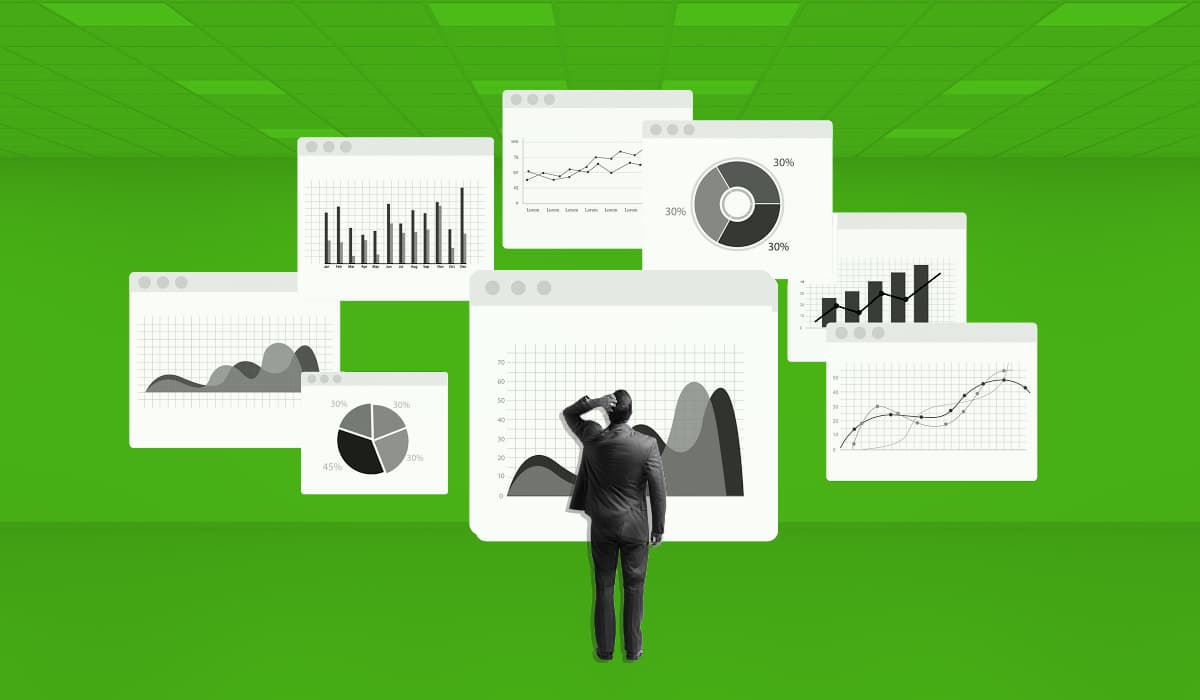
Analytics and reporting in eLearning provide actionable insights into learner behaviors, performance, and engagement. By leveraging these insights, organizations can enhance the effectiveness of training programs, optimize content, and improve overall learner outcomes.
Learning analytics can help you achieve various goals in e-learning, such as enhancing the learner experience and satisfaction with personalized feedback and support, improving learner outcomes and retention by recognizing learning gaps, difficulties, and misconceptions, optimizing e-learning content and activities by assessing their effectiveness, relevance, and alignment with learning objectives, and evaluating the e-learning impact and return on investment by monitoring learner performance, behavior, and feedback
Learning analytics tools and resources
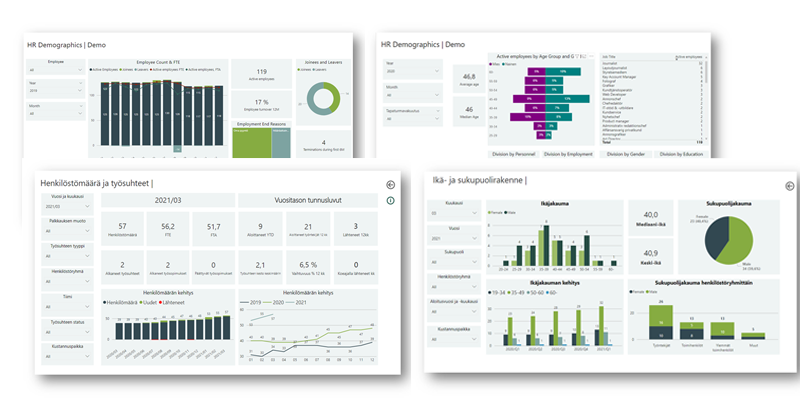
There are a variety of tools and resources available to help you with learning analytics, such as Learning Management Systems (LMS) with built-in analytics features (e.g. Moodle, Canvas, or Blackboard), advanced analytics platforms (e.g. Watershed, Learning Locker, or xAPI), real-time data dashboards (e.g. IntelliBoard, Zoola Analytics, or Power BI), and courses and communities offering professional development and support (e.g. Learning Analytics MOOC, Society for Learning Analytics Research, or Learning Analytics Network).
Learner Activity Tracking
- Captures data on how learners interact with the eLearning platform, including:
- Login frequency and duration.
- Pages or modules accessed.
- Time spent on each activity.
- Click patterns and navigation behavior.
Why It Matters:
- Identifies high-engagement content.
- Pinpoints areas where learners struggle or lose interest.