
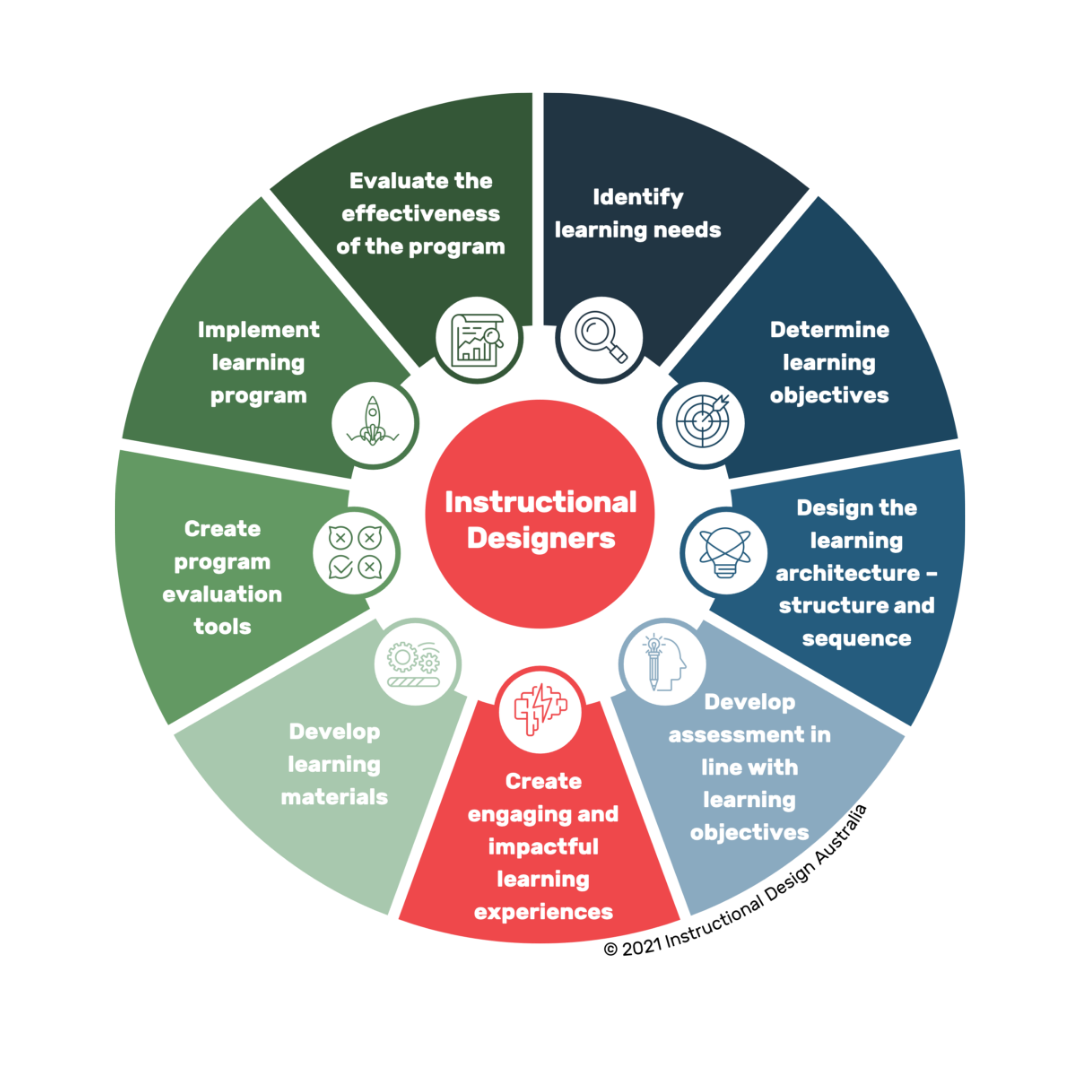
Instructional design and content development are central to creating effective, engaging, and learner-focused eLearning experiences. This process involves analyzing learning needs, designing course structures, and developing content that aligns with instructional goals, pedagogical best practices, and learner preferences.
Instructional design is the systematic process of planning, creating, implementing, and evaluating learning experiences that are based on sound theories and best practices. Instructional design aims to facilitate learning by designing instruction that is relevant, meaningful, and motivating for the learners. Instructional design also considers the context, needs, preferences, and characteristics of the learners, as well as the resources, constraints, and goals of the organization or institution.
How to apply instructional design principles to your digital content?
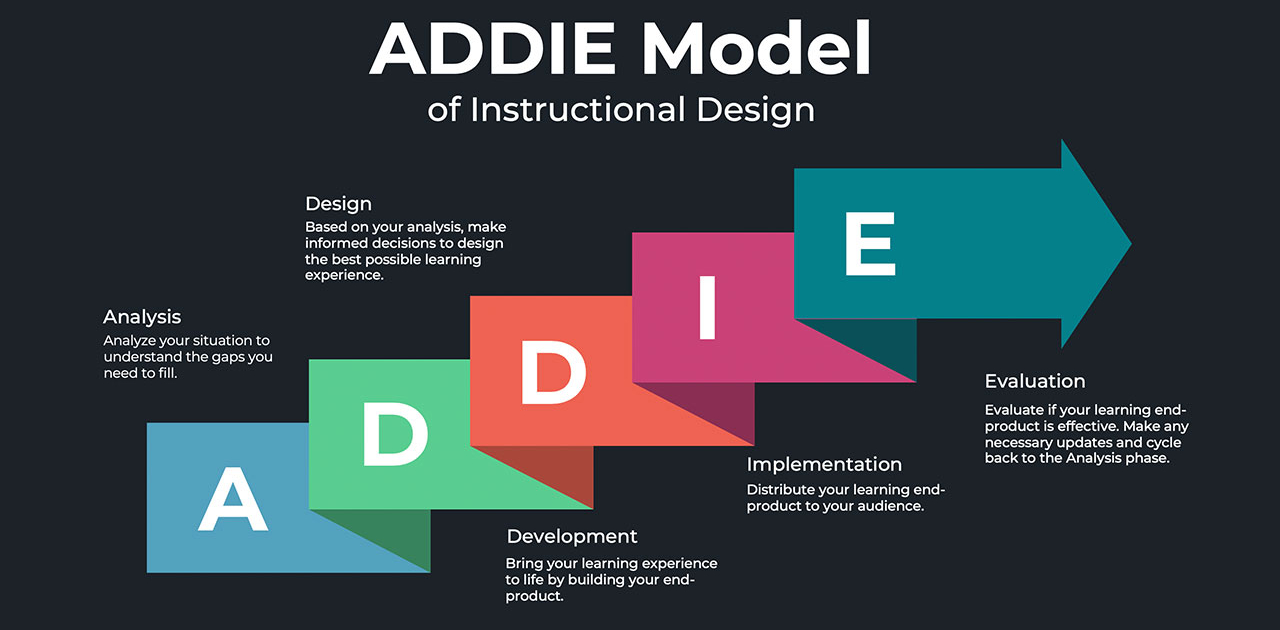
When developing digital content, there are many instructional design models and frameworks to guide the process. Most of them share some common elements or steps, such as analyzing the learning problem, the target audience, and the objectives; designing instructional strategies, methods, and media; developing content with visual design, multimedia learning, and accessibility; implementing the content with support and guidance; and evaluating the effectiveness and impact. During analysis, you should assess the current and desired state of knowledge and skills. During design, you should create a blueprint or storyboard for structure, flow, and sequence. During development, you should test and revise to meet quality standards. During implementation, you should deliver or distribute content on a platform or channel. During evaluation, you should collect data and feedback from learners to assess strengths and weaknesses. All of these steps are important for creating successful digital content.
Why apply instructional design principles to your digital content?
Applying instructional design principles to your digital content can help you achieve several benefits, such as enhancing the quality and relevance of your content by aligning it with learning objectives and outcomes, increasing learner engagement and motivation through interactive, personalized, and meaningful content, improving knowledge and skill retention through clear, concise, and memorable content, optimizing the efficiency and effectiveness of your digital content development process with a systematic and evidence-based approach, and demonstrating the value and impact of your digital content by measuring and evaluating learning results.